75%. This is the limit set in European regulations for the sugar content of fruit pastes. However, some artisans, far from being complacent, cut back on this amount to let the fruit shine through, while maintaining true preservation, without compromising on flavor.
To transform the texture and avoid unnecessary additives, they rely on pectin extracted from apples or citrus fruits. This often discreet technical choice changes everything: fewer artificial gelling agents, a more natural mouthfeel. But it all starts much earlier, with a meticulous selection of fruits. Each confectioner defends their balance, oscillating between respect for traditional methods and subtle innovations.
Artisanal fruit pastes: a gourmet know-how to (re)discover
Behind the displays of French pastry, fruit paste knows how to be discreet. Yet, the rigor required for its production is akin to that of the most renowned desserts: perfectly ripe fruit, precisely measured cooking, assured technique. These details, which the customer’s eye may not even suspect, make all the difference. The texture, for example: supple without being soft, never rubbery, but possessing that elasticity that highlights the complexity of apricot, pear, or blackcurrant.
It’s impossible to mention fruit pastes without doing justice to the heritage of Provençal confections. For generations, the preservation of harvests involved long cooking times, entire days spent around the cauldron. Even today, artisans are reconnecting with this practice: raw fruit purees, banning colorants, using natural flavors, passing down classics such as Montélimar nougat or Nancy bergamot. The result is an intact experience, where the acidity of raspberry, the smoothness of white peach, everything the fruit can offer, resonates without pretense.
Influences intersect: heading to Sardinia, where torrone combines fruits, honey, almonds, or pistachios. On the other side of the Mediterranean, Eastern pastry also juggles with reimagined fruits. Yet, French fruit paste continues its discreet path and owes much, even today, to the artisan’s hand. For those wishing to discover the treats and more, choosing a workshop committed to manual transformation remains a reliable guarantee of authenticity that is never compromised: behind each piece, there is a story, a lasting gesture, a refusal to accept the blandness of industry.
Why choose craftsmanship? Authentic flavors, natural ingredients, and respect for traditions
Where standard production standardizes everything, the artisan refines every detail. This difference arises from the choice of ingredients: fruit purees true to their variety, fresh egg whites, local honey, fine butter, almonds with their skin intact. This demand, palpable in the melting texture of a candy or the smooth intensity of nougat, permeates every bite. A fragment of citrus, a hint of raw honey, or the discreet power of a fresh almond: everything is there, chosen with purpose.
Most traditional recipes are not written down; they are whispered. Their secrets are passed down in the shadows of a workshop, from parent to child, from student to master. It is difficult to imitate this patient shaping, which, in Sardinian torrone for example, brings out the floral notes of honey and the delicacy of almond, just as an amaretti does not cheat on the raw materials or the ricotta tartlet with saffron does not skimp on the intensity of flavor.
This way of working connects the here and the long time. The audacity lies not in freezing a recipe, but in maintaining a subtle link between the quality of the raw material, the confectioner’s hand, and the mastery of cooking time. It is this demanding alchemy that gives artisanal creations, sometimes signed by gourmandises et cie, their true personality.
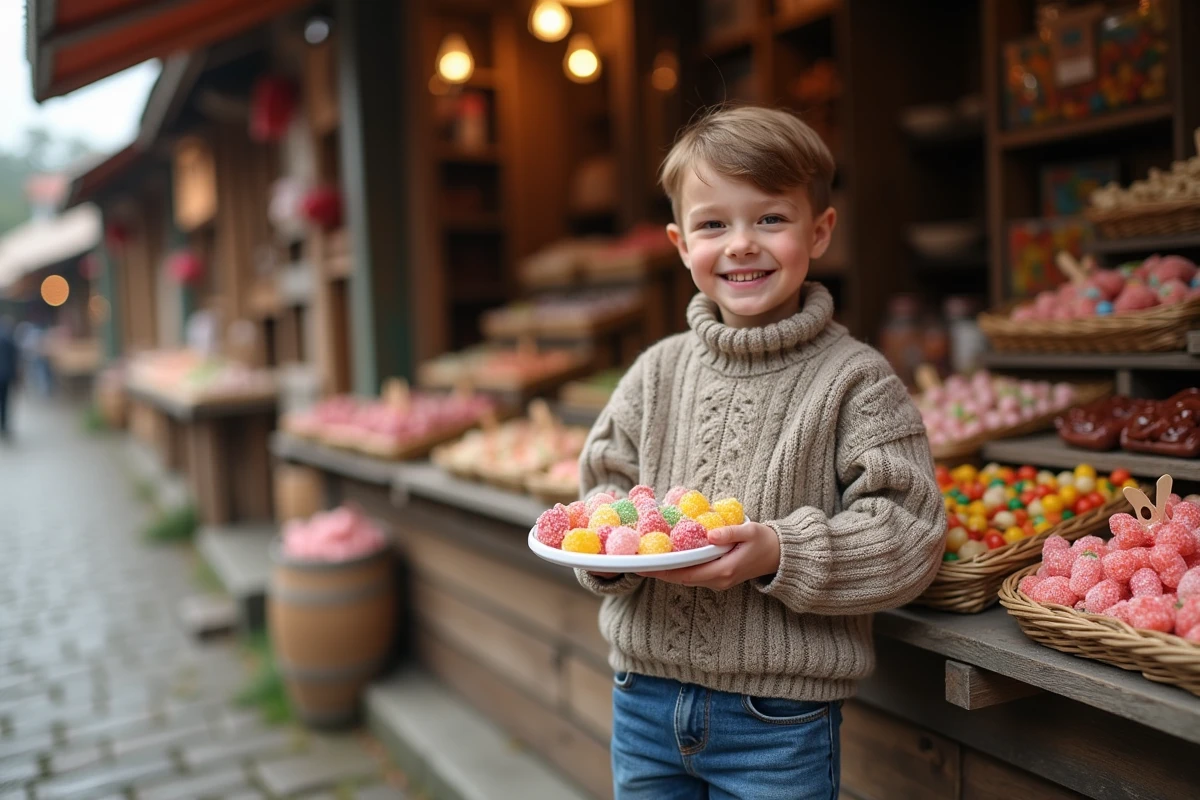
Manufacturing secrets and essential recipes to make or savor the best fruit pastes
The artisanal fruit paste is never just a sweet bite. It condenses everything that the fruit, the confectioner, and patience can express when the technique does not betray the product. It all starts with the picking of fully ripe fruits, often harvested around the workshop. The qualities of each, acidity, natural sugar, unique aroma, count to the gram. Apricot, pear, blackcurrant, raspberry: these are what lay the foundation for the result.
What makes the difference next is the cooking: neither too short, otherwise the paste remains soft and bland, nor too long because the freshness dulls. The artisan constantly adjusts, monitors the evolution, lets the natural pectin work in harmony with the sugar; this is where the magic happens between melting and firmness.
To better understand, here is, step by step, how an experienced confectioner proceeds:
- The fruit pulp and sugar simmer together until reaching 107–108°C, ensuring proper setting.
- The mixture is poured into a frame to allow for uniform drying, without crust or soft spots.
- Once thickened, each square is cut, then gently rolled in crystallized sugar, the final finishing touch.
Upon tasting, the difference is evident on the palate: this melting texture, these clear flavors, far from the sanitized industrial standard. The fruit paste finds its place at the end of a meal, slipped between two sips of coffee or given as a gift, like a refined nod. In the world of characterful sweets, each artisanal piece remains a manifesto: the fruit, the hand, and time, in equal parts, inseparable. And pleasure will never be processed by machines.