
Buying a garment that you like at the moment, then letting it sit at the back of the closet: this situation is common. Fashion shopping trends and accessories evolve quickly, and distinguishing a sustainable purchase from an impulse buy requires some concrete guidelines. This article details the criteria that allow you to identify pieces that are truly useful to your style, taking into account the new European rules that change the game for fashion.
Product digital passport: what the QR code on your clothes changes
Have you ever noticed a QR code sewn onto the label of a new garment? This little black square is the beginning of a profound transformation in fashion shopping. It is the product digital passport, a device mandated by the European regulation on the eco-design of sustainable products, effective from July 18, 2024.
By scanning it, you gain access to the exact composition of the fabric, the traceability of materials, care instructions, and possibilities for repair or recycling. Practically, this means that before buying a shirt or a bag, you can check if the piece is designed to last or to end up in the trash after two seasons.
This level of information also changes resale. A garment accompanied by its digital passport inspires more confidence in the second-hand market, as the buyer knows exactly what they are acquiring. To explore a selection of pieces and accessories that already integrate this logic of transparency, the website Les Tendances de Mya offers references categorized by style and season.
Accessory trends and durable pieces: spotting what lasts several seasons
The classic reflex is to follow the colors of the season or the cuts highlighted by fashion shows. There’s nothing wrong with that, but a smart fashion purchase relies on an additional filter: the actual durability of the piece.
Clothing is among the priority categories of the European work plan 2025-2030 regarding eco-design. This means that brands will gradually have to meet requirements for sustainability, reparability, and recyclability. For you, the signal is clear: pieces designed according to these criteria will retain their value longer, both at purchase and resale.
Three concrete criteria before adding to your cart
- The composition of the fabric must be clear and precise. A polyester-elastane blend without a displayed percentage is a sign of opacity, not a trivial detail.
- The finishes (stitching, buttons, closures) deserve a quick inspection. A glued lining rather than a sewn one significantly shortens the garment’s lifespan.
- The possibility of repair is as important as the price. A shirt with a reversible collar or a bag with a replaceable strap extends usage for several years.
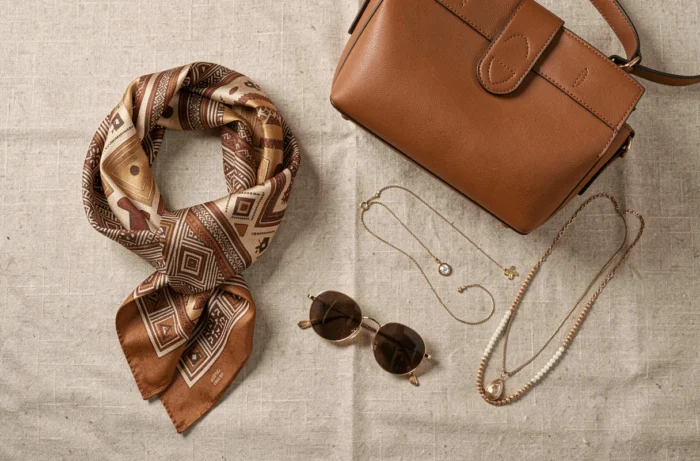
A well-chosen accessory transcends seasons without losing its appeal. A grained leather bag, a simple belt, or geometric earrings work just as well in winter as in spring. These are the pieces that structure a style, much more than fleeting prints.
End of the destruction of unsold items: what this changes for your shopping
Since July 19, 2026, large companies can no longer destroy unsold clothing, fashion accessories, and shoes, except for exceptions provided by the delegated European regulation 2026/296. They must declare the unsold products eliminated, the reasons, and the treatment channels used.
In practice, this ban promotes destocking, donating, and reselling. For consumers, this translates into broader access to quality pieces at reduced prices, through private sales, online outlets, or second-hand circuits directly supplied by brands.

Destocking or second-hand: how to tell the difference
Destocking offers new, never-worn items from previous collections. Second-hand refers to pieces that have already been used, in varying conditions. Both circuits benefit from this new regulation, but your expectations will not be the same.
For a destocked item, check that the original label is intact and that the piece has not been altered to hide a defect. For a second-hand item, the product digital passport becomes a real advantage: it clearly proves the composition and history of the piece without ambiguity.
Building a coherent fashion selection without multiplying purchases
Why do some wardrobes seem much richer than they are? The answer rarely lies in the number of pieces. It lies in their compatibility.
A defined style relies on a small core of clothing and accessories that work together. Instead of buying eight trendy pieces in one season, focus on three or four that can be paired with what you already own.
- One strong piece per season is enough to refresh your look (a structured blazer in winter, a shirt with detailed sleeves in spring).
- Accessories act as multipliers: the same bag worn with two different outfits creates two distinct silhouettes.
- Neutral colors (ecru, navy, heather gray) serve as a link between bolder pieces.
- Each new purchase should pair with at least three existing pieces in your wardrobe to justify its place.
This approach does not stifle creativity. It channels it. A printed scarf or a pair of colorful earrings adds a touch of elegance without requiring a complete wardrobe overhaul.
The new European obligations on traceability and the ban on the destruction of unsold items push the entire sector towards more durable and better-documented pieces. The best fashion investment remains a piece that you will still wear in two years, not the one that shines the most in the window today. Choosing less, choosing better: the most useful trend is not found on any runway.