The choice of landscaping equipment primarily depends on the compatibility between the material, the intended use, and the site’s regulatory constraints. Too many purchases are made based on aesthetic criteria without checking technical feasibility. Designing and decorating a house or garden requires a position-by-position approach, distinguishing between what pertains to structure, protection, and finishing.
Rainwater Harvesting: Regulations and Tank Selection
A rainwater harvester intended for garden irrigation does not require any special formalities. The tank connects to a downspout, and the installation remains simple.
The situation changes radically for indoor use. Supplying toilets or a washing machine with rainwater requires completely separating the rainwater network from the drinking water network. Each withdrawal point must be labeled “non-potable water.” The decree and order of July 12, 2024, which came into effect on September 1, 2024, regulate these uses.
If wastewater is discharged into the public collective sanitation network, a declaration at the town hall is required. Therefore, before investing in a large-volume tank, it is essential to check the type of intended use and the local sanitation constraints.
We find these technical compatibility issues in the world of tamaisontonjardin.net, where each category of equipment refers to specific selection criteria.
Outdoor Wooden Furniture: Species, Treatment, and Durability
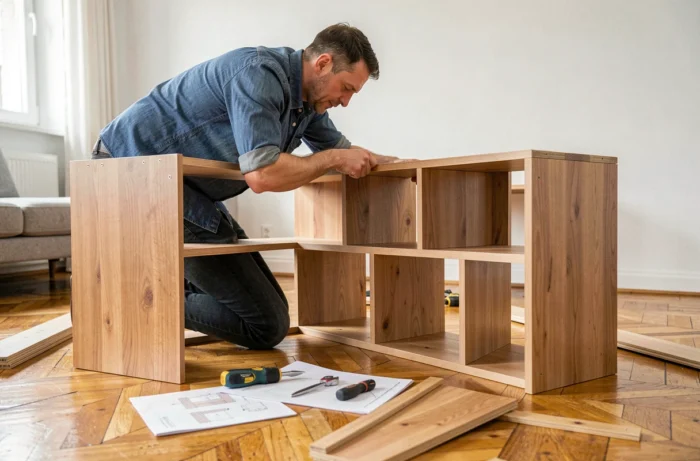
Wood remains the reference material for garden furniture and landscaping structures (terrace, pergola, shelter). Not all species are equal when it comes to weather resistance.
- Pressure-treated pine is suitable for semi-buried structures (posts, terrace joists), but its lifespan in direct contact with the ground is limited without renewing the treatment every few years.
- Douglas fir or larch offers natural resistance to fungi and wood-eating insects without chemical treatment. Their color naturally turns gray over time.
- Exotic woods (ipe, cumaru) have superior density and durability, but their cost and environmental impact should be weighed against local alternatives.
The choice of species determines the frequency of maintenance and the longevity of the installation. An untreated pine table exposed to UV and moisture degrades in just a few seasons. A raw larch tabletop, simply cleaned once a year, retains its strength much longer.
For furniture (table, chairs, benches), dimensional stability is as important as mechanical resistance. Wood that expands and contracts significantly with moisture eventually warps, making the seating uncomfortable.
Differentiated Mowing and Ecological Garden Design
Garden equipment guides focus on maintenance tools (blower, shredder, mower) without ever asking what is actually being maintained. Differentiated mowing involves keeping certain areas taller and mowed less frequently, creating refuges for beneficial wildlife (pollinators, pest predators).
In practice, this means delineating two or three mowing levels in the garden. Pathways and living areas remain short. Borders, tree bases, or plot backs are mowed once or twice per season.
The appropriate equipment is not the same: a standard mower is sufficient for short spaces, but a brush cutter with a blade or a scythe becomes necessary for taller areas. Investing in a single versatile tool often leads to poorly managing both situations.
This landscaping choice also reduces overall maintenance time. Less area mowed each week means less fuel or electricity consumed and less noise pollution for the neighbors.
Operating Hours for Noisy Equipment: What the Regulations Say
Motorized garden equipment (mower, hedge trimmer, blower, shredder) is subject to hourly restrictions set by prefectural or municipal order. The permitted time slots vary from one municipality to another, but a common pattern limits use to weekdays during the day, with more restricted hours on Saturdays and a ban on Sundays and public holidays.
Checking the current order in your municipality before purchasing noisy equipment helps avoid neighbor conflicts and fines. For gardens in densely populated residential areas, a battery-powered electric device generates a significantly lower noise level than a gas engine, which expands comfortable usage times.
Protection and Storage: Garden Shed and Terrace Accessories
A garden shed serves two distinct functions: storing tools and equipment out of season, and protecting sensitive items (furniture cushions, barbecue, harvester). The choice of material (wood, metal, resin) depends on the budget, desired aesthetics, and available space.
- A wooden shed visually integrates into a green space but requires regular maintenance (stain, checking roof waterproofing).
- A metal shed withstands moisture better without treatment but condenses more inside, which can damage unprotected tools.
- A resin shed requires almost no maintenance, but its mechanical resistance to wind is lower than that of wood or metal structures.
For terrace decoration, protective accessories (shade sail, retractable side awning) define the space as much as the furniture itself. An outdoor area without sun protection remains underutilized for a good part of the year.

The design of a house and garden gains coherence when each piece of equipment meets an identified need, not a décor trend. Regulations on rainwater, the choice of a wood species suitable for the local climate, differentiated mowing management: these technical decisions determine the overall durability much more than the style of the furniture.